The electric cars in india market in 2026 is dominated by affordable, compact SUVs and hatchbacks, with prices ranging from approximately ₹6.3 lakh for the MG Comet EV to over ₹50 lakh for luxury models. Leading brands include Tata Motors (Punch, Nexon, Tiago EV), MG (Comet, Windsor), Mahindra (XUV400, BE 6), and BYD. Key trends include the growth of Battery-as-a-Service (BaaS) models for lower upfront costs and a rapidly expanding charging infrastructure
Top Electric Cars in India :-
- Most Affordable: MG Comet EV (from ₹6.31-7.99 lakh), Tata Punch EV (from ₹6.49-8.09 lakh).
- Compact SUVs: Tata Nexon EV (₹12.49-17.49 lakh), Mahindra XUV400 (₹15.49-17.69 lakh).
- Newer Models: Maruti e Vitara (₹15.99-20.01 lakh), Mahindra BE 6 (₹18.90-27.65 lakh).
- Premium/Luxury: BYD Sealion 7 (₹48.90-54.90 lakh), MG Cyberster (₹75 lakh)
- Mahindra BE 6 Rs. 20.01 – 29.10 Lakh On-Road Price, Ludhiana Get Best Offers
- Tata Nexon EV Rs. 13.49 – 18.63 Lakh On-Road Price, Ludhiana
- MG Windsor EV Rs. 14.96 – 19.59 Lakh On-Road Price, Ludhiana
- Mahindra XEV 9e Rs. 23.13 – 32.96 Lakh On-Road Price, Ludhiana Get Best Offers
- Mahindra XEV 9S Rs. 21.11 – 32.16 Lakh On-Road Price, Ludhiana
- MG Cyberster Rs. 79.09 Lakh On-Road Price, Ludhiana
- Tata Harrier EV Rs. 22.97 – 32.16 Lakh On-Road Price, Ludhiana Get Best Offers
- MG Comet EVRs. 8.02 – 10.50 LakhOn-Road Price, Ludhiana
- Tata Tiago EVRs. 8.46 – 11.80 LakhOn-Road Price, Ludhiana
- BYD Atto 3Rs. 26.38 – 35.92 LakhOn-Road Price, Ludhiana
- BYD Sealion 7Rs. 52.27 – 58.03 LakhOn-Road Price, Ludhiana
- Vinfast VF 6Rs. 18.32 – 20.30 LakhOn-Road Price, Ludhiana
- MG M9Rs. 74.79 LakhOn-Road Price, Ludhiana
- Hyundai Creta ElectricRs. 19.37 – 26.40 LakhOn-Road Price, Ludhiana
- MG ZS EVRs. 19.06 – 21.94 LakhOn-Road Price, Ludhiana
- BYD SealRs. 43.25 – 56.20 LakhOn-Road Price, Ludhiana
- Mahindra XUV 3XO EVRs. 14.73 – 16.42 LakhOn-Road Price, Ludhiana
- Kia Carens Clavis EVRs. 19.14 – 25.82 LakhOn-Road Price, Ludhiana
- Tata Curvv EVRs. 18.65 – 23.59 LakhOn-Road Price, Ludhiana
- Vinfast VF 7Rs. 23.11 – 28.21 LakhOn-Road Price, Ludhiana
- BMW iX1 LWBRs. 53.84 LakhOn-Road Price, LudhianaGet Best Offers
- BYD eMax 7Rs. 28.38 – 31.72 LakhOn-Road Price, Ludhiana
- Tesla Model YRs. 63.01 – 71.64 LakhOn-Road Price, LudhianaGet Best Offers
- Mahindra BE 6 FERs. 25.21 – 26.05 LakhOn-Road Price, Ludhiana
- Mahindra XUV400Rs. 16.41 – 18.70 LakhOn-Road Price, Ludhiana
- Volvo EX30Rs. 43.47 LakhOn-Road Price, Ludhiana
- Kia EV6Rs. 69.62 LakhOn-Road Price, Ludhiana
- Hyundai Ioniq 5Rs. 49.15 LakhOn-Road Price, Ludhiana
- BMW i7Rs. 2.14 – 2.67 CroreOn-Road Price, Ludhiana
- BMW iX1Rs. 69.75 LakhOn-Road Price, Ludhiana
- Volvo EX40Rs. 53.01 LakhOn-Road Price, Ludhiana
Key Trends & Information :-
- Battery-as-a-Service (BaaS): Models like the MG Windsor EV offer lower initial prices (starting around ₹9.99-13.39 lakh) with an additional cost of ₹3.90-₹4.50 per km for the battery.
- Charging Network: Infrastructure is improving, with many new models supporting fast charging to reduce downtime.
- Upcoming/New Models: The market is rapidly evolving with new, more efficient models from Mahindra (BE 6, XEV 9e) and Maruti Suzuki.
All Brands :-
Tata Punch EV – Compact Electric SUV for Urban Commuters:-
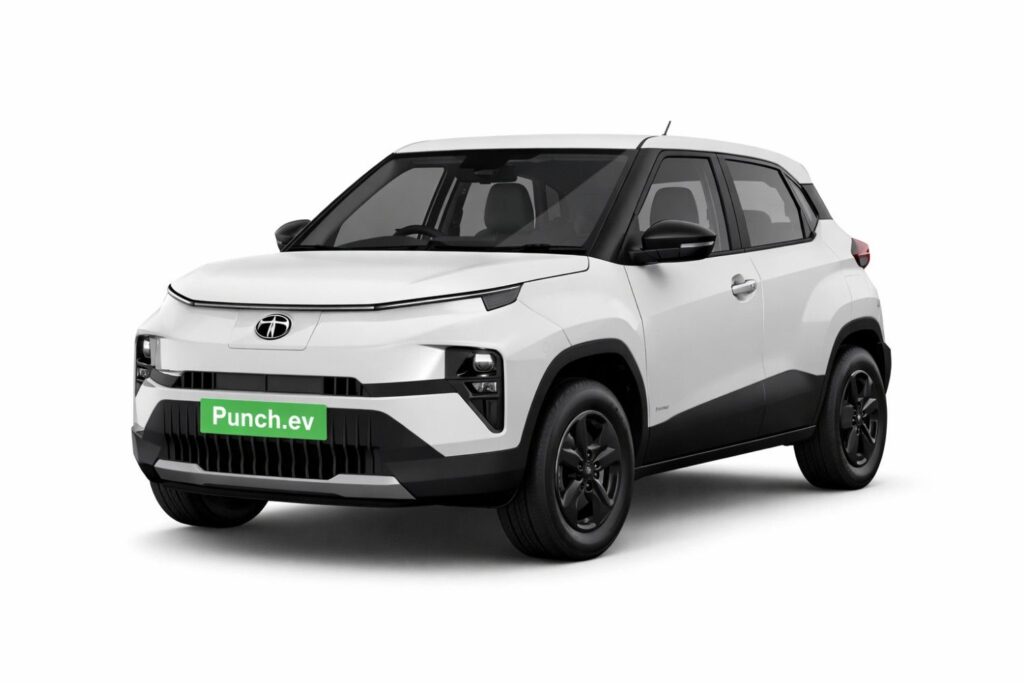
Tata’s electric mini-SUV combines SUV-like styling with impressive range and fast charging, making it one of the most compelling sub-₹15 lakh EVs for young buyers.
- Price: ₹10.99 – ₹16.49 lakh
- ARAI Range: 421 km
- Charging Time: 56 mins (DC fast), 6.5 hrs (7.2 kW AC)
- Battery Capacity: 35 kWh
- ADAS: Not available
- Safety: 6 airbags (top variant), ESP, hill hold, ISOFIX
- Connectivity: 10.25-inch touchscreen, 10.25-inch digital cluster, Tata iQ connected features
- V2L: No
MG Comet EV – Micro EV for Last-Mile City Driving :-
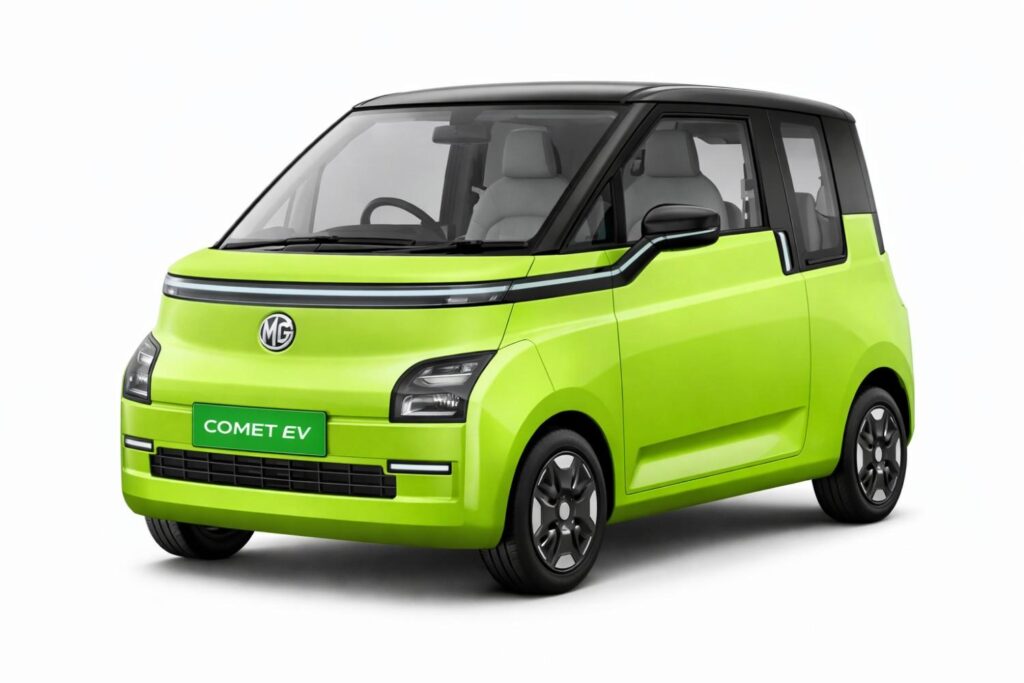
Ideal for city commutes and last-mile mobility, the Comet EV is a compact 4-seater with retro charm and zero tailpipe emissions, perfect for narrow lanes and tight parking.
- Price: ₹7.99 – ₹10.49 lakh
- ARAI Range: 230 km
- Charging Time: 7 hours (3.3 kW AC only; no DC fast charging)
- Battery Capacity: 17.3 kWh
- ADAS: Not available
- Safety: Dual airbags, ABS, rear camera
- Connectivity: Dual 10.1-inch screens, Bluetooth, MG iSmart app
- V2L: No
MG Windsor EV – India’s First Electric MPV for Families:-
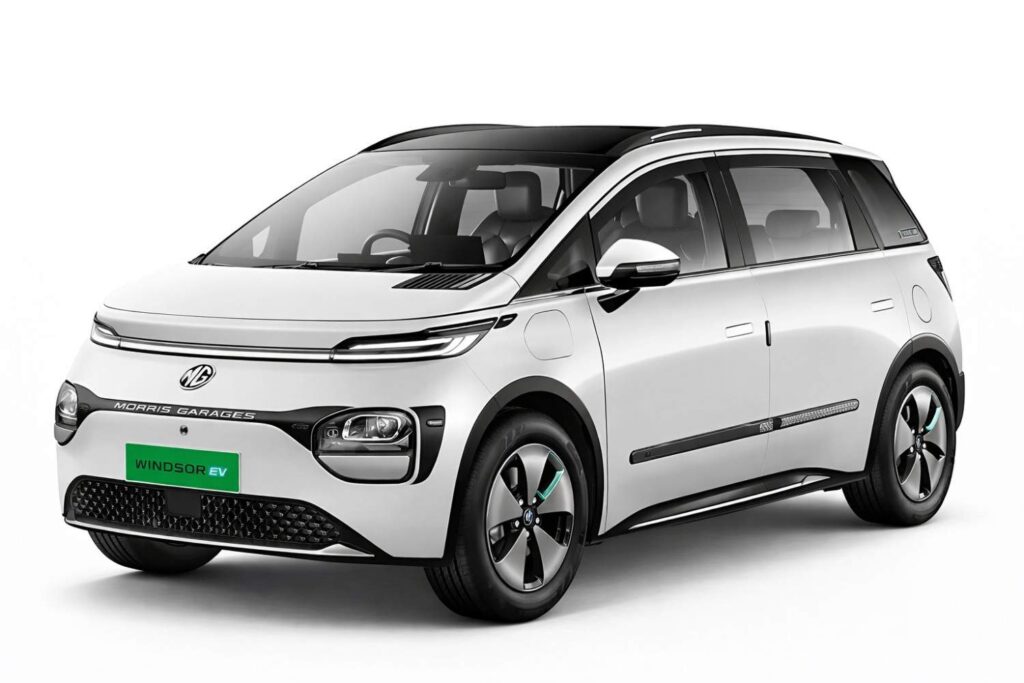
India’s first electric MPV, the Windsor EV, offers 6-seater practicality with captain seats, targeting families and fleet operators seeking emission-free people-moving.
- Price: ₹12.49 – ₹14.99 lakh
- ARAI Range: 330 km
- Charging Time: 6.5 hours (7.4 kW AC only; no DC fast charging)
- Battery Capacity: 32.3 kWh
- ADAS: Not available
- Safety: 6 airbags, ABS, ESC, rear parking camera
- Connectivity: 10.1-inch touchscreen, connected car features, voice assistant
- V2L: No
Tata Nexon EV – Best-Selling Electric SUV with Strong Range:-
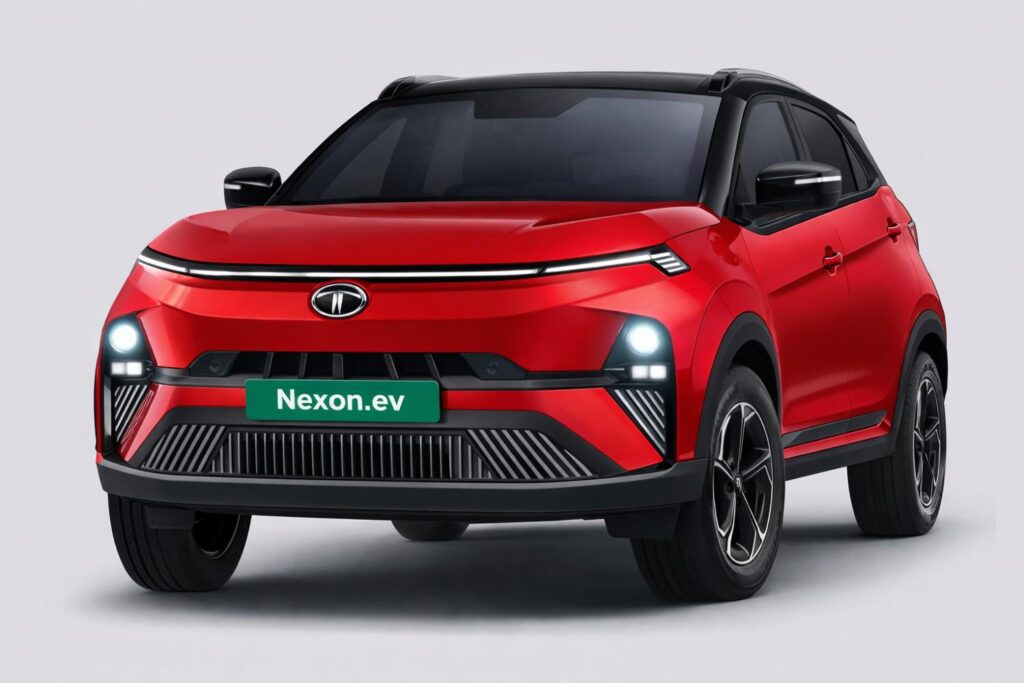
The best-selling electric SUV in India, the Nexon EV blends proven reliability, strong safety, and class-leading range, now enhanced with the 45 kWh Max variant.
- Price: ₹14.49 – ₹19.49 lakh
- ARAI Range: 465 km (Max) / 325 km (Prime)
- Charging Time: 54 mins (DC fast, Max), 8.5 hrs (7.2 kW AC)
- Battery Capacity: 45 kWh (Max) / 30.2 kWh (Prime)
- ADAS: Not available
- Safety: 6 airbags, ESP, traction control, 5-star Global NCAP (ICE version)
- Connectivity: 10.25-inch touchscreen, connected navigation, OTA updates
Mahindra XUV400 EV – Sporty Mid-Range Electric SUV:-
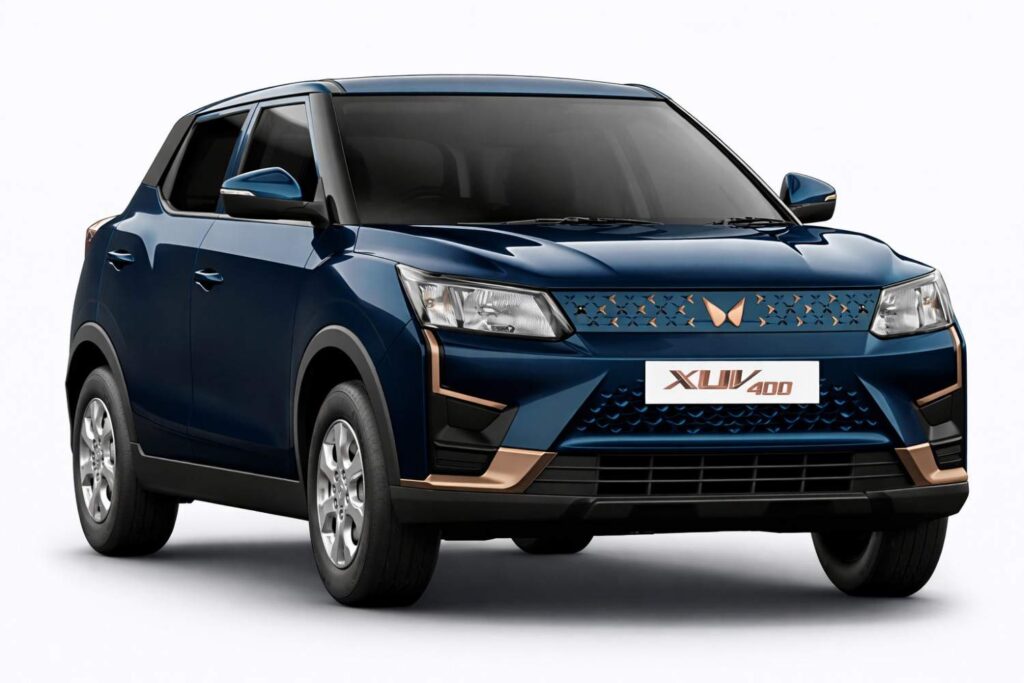
Mahindra’s first mass-market EV offers sporty performance, rapid charging, and a premium cabin, ideal for tech-savvy families wanting a true SUV experience.
- Price: ₹15.99 – ₹19.99 lakh
- ARAI Range: 450 km
- Charging Time: 50 mins (DC fast), 6.5 hrs (7.2 kW AC)
- Battery Capacity: 39.4 kWh
- ADAS: Not available
- Safety: 6 airbags, ABS, ESC, hill hold
- Connectivity: 10.25-inch touchscreen, AdrenoX infotainment, connected car suite
Conclusion:-
Electric vehicles (EVs) represent a necessary, sustainable, and rapidly advancing shift in personal transport, offering zero tailpipe emissions, lower running costs, and reduced maintenance. While challenges like initial costs and infrastructure development persist, they are being overcome by technological innovation. As technology improves, EVs are becoming a viable, long-term alternative to internal combustion engines. UBC Blogs +6
Key Takeaways on the Future of EVs:
- Environmental Impact: EVs significantly reduce greenhouse gas emissions and improve city air quality.
- Economic Viability: Lower maintenance and fuel costs often offset higher initial purchasing prices over the vehicle’s lifespan.
- Infrastructure Growth: The expansion of charging networks is reducing “range anxiety,” making long-distance travel more feasible.
- Advancements: Battery technology is evolving to offer longer ranges and shorter charging times. BC Blogs +5
In conclusion, the transition to electric mobility is accelerating, driven by the need for sustainable energy solutions. While not a total replacement yet, they are rapidly becoming the standard for, efficient urban and suburban travel.